
Hovrain designs reverse osmosis systems around feed-water quality, required product-water quality, capacity, operating schedule and site conditions. Each proposal defines the pretreatment, membrane arrangement, controls and support scope for the project.
Explore RO systems: System types · Equipment range · Request a proposal
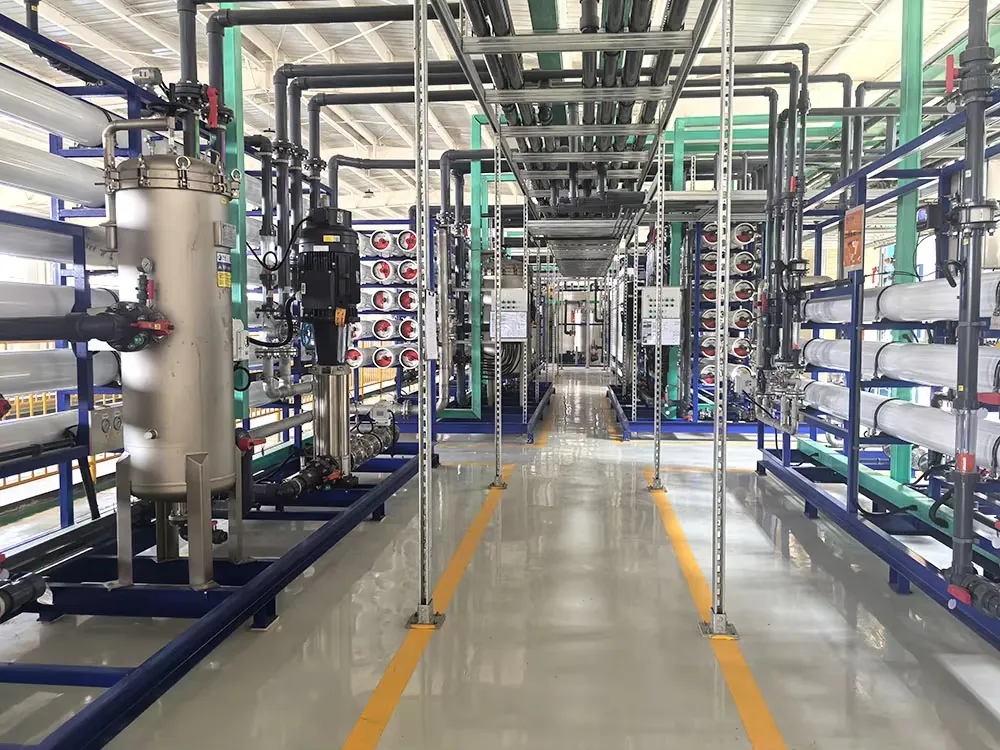
RO System Types
- Industrial reverse osmosis
- Brackish-water reverse osmosis
- Double-pass reverse osmosis
- Mobile and vehicle-mounted RO
- Large-capacity engineered RO
Feed Water and Pretreatment
Source-water analysis determines the pretreatment route. Depending on the project, this can include filtration, chemical conditioning, cartridge filtration and other steps that protect the RO membranes. The final process is specified only after water quality and operating requirements are reviewed.
Typical Treatment Route
Feed-water collection and pretreatment → fine filtration → high-pressure RO separation → product-water conditioning or storage. The actual configuration, instrumentation and cleaning arrangement are project-specific.
Engineering Considerations
- Feed-water chemistry, temperature and seasonal variation
- Required product-water quality and downstream use
- Operating hours, redundancy and maintenance access
- Power supply, footprint and installation environment
- Controls, monitoring and cleaning requirements
Mobile and Custom RO
Vehicle-mounted and containerized systems can integrate pretreatment, RO, controls and auxiliary equipment into a transportable layout. The 2.0 TPH vehicle-mounted RO project demonstrates project-specific process, equipment and structural integration.
RO System Components
- Pretreatment equipment
- Cartridge filtration
- High-pressure pump and RO membrane stage
- Cleaning and flushing arrangement
- Instrumentation and automatic controls
- Product-water conditioning or storage
- Skid, container or vehicle integration
- Project-specific auxiliary equipment
Reference Packaged RO Configurations
The following product sheets show selected compact RO reference configurations. Capacity, feed-water suitability, voltage, components and dimensions must be reconfirmed for the actual project and approved technical proposal.
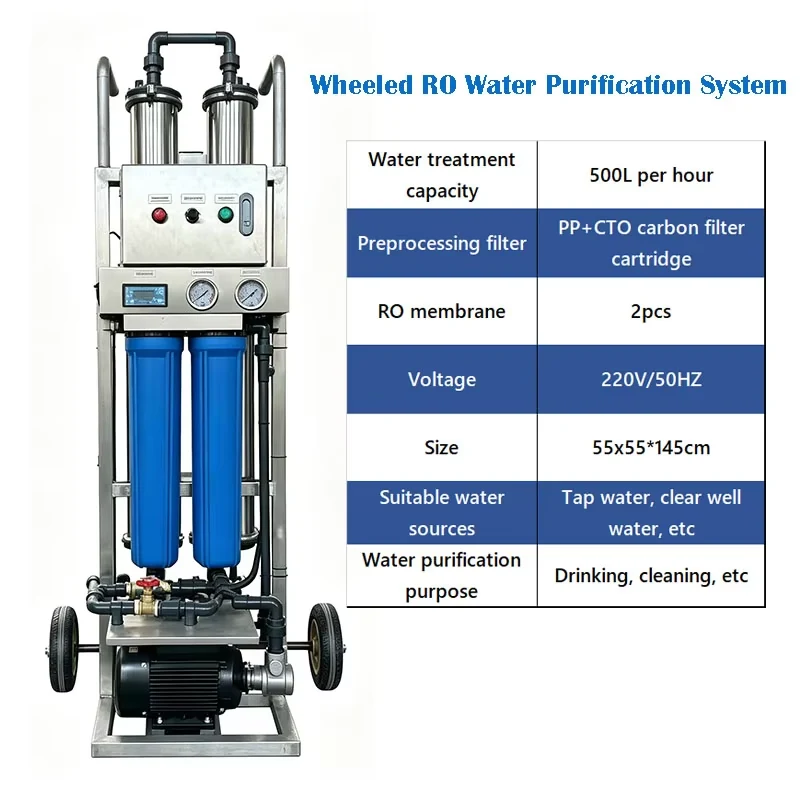
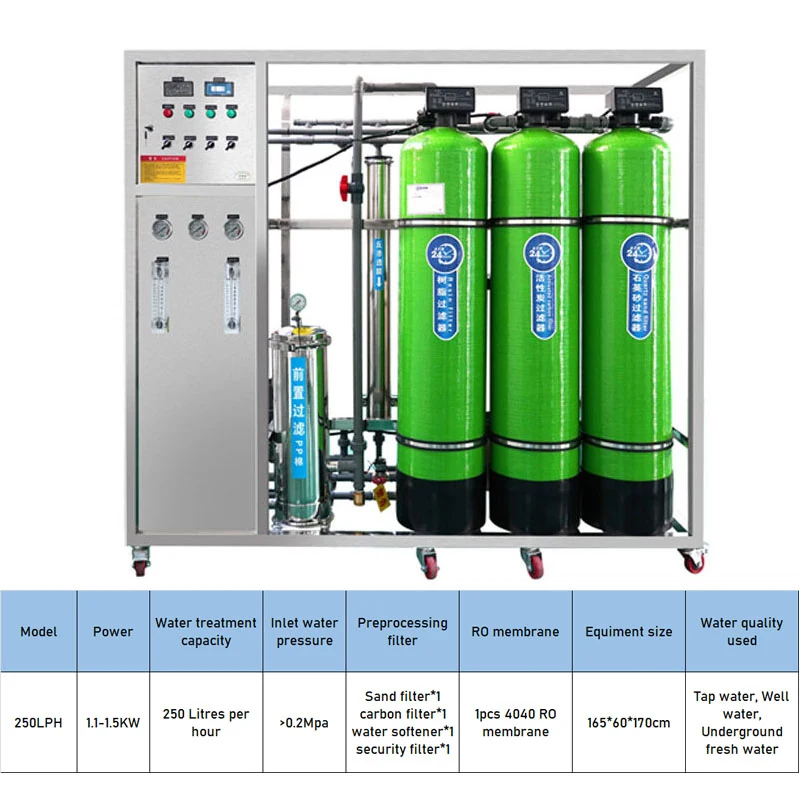
Reference configurations only. Final performance and equipment scope depend on the feed-water analysis and approved project specification.
RO Equipment Range
Representative compact, industrial and double-pass RO configurations from the available Hovrain product materials.
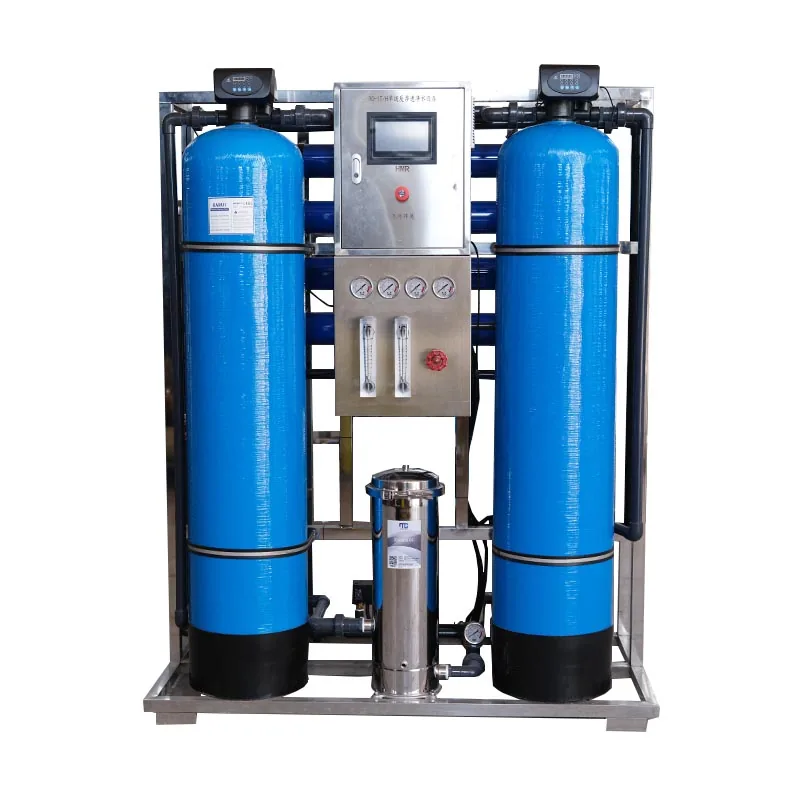
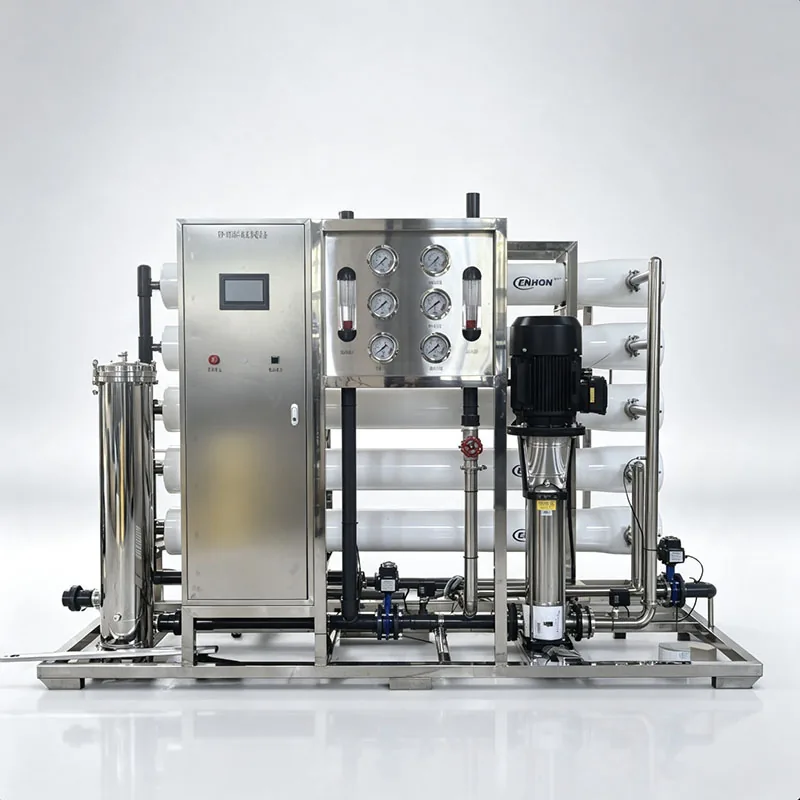
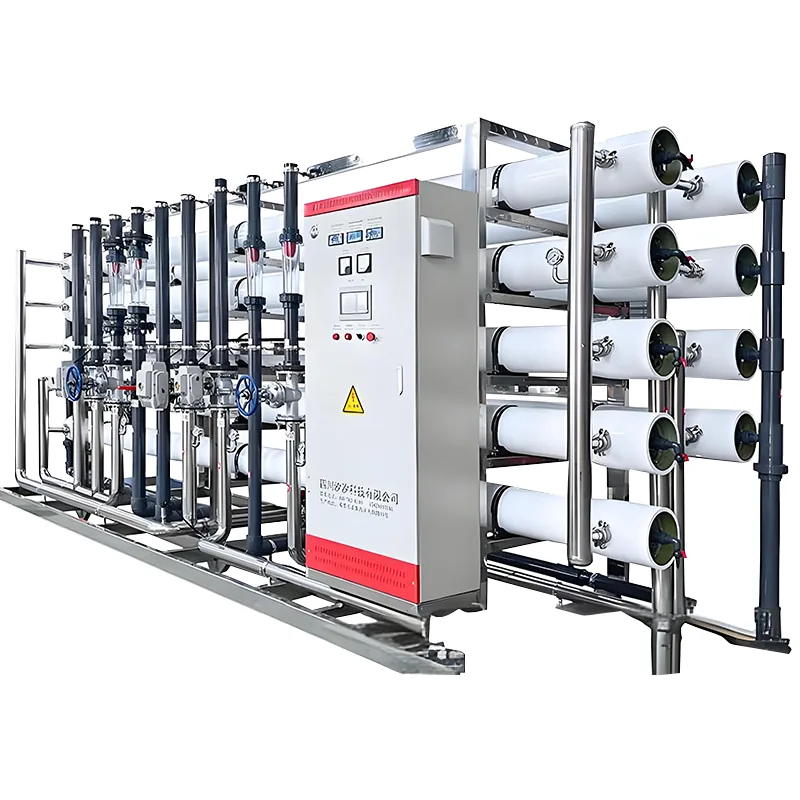
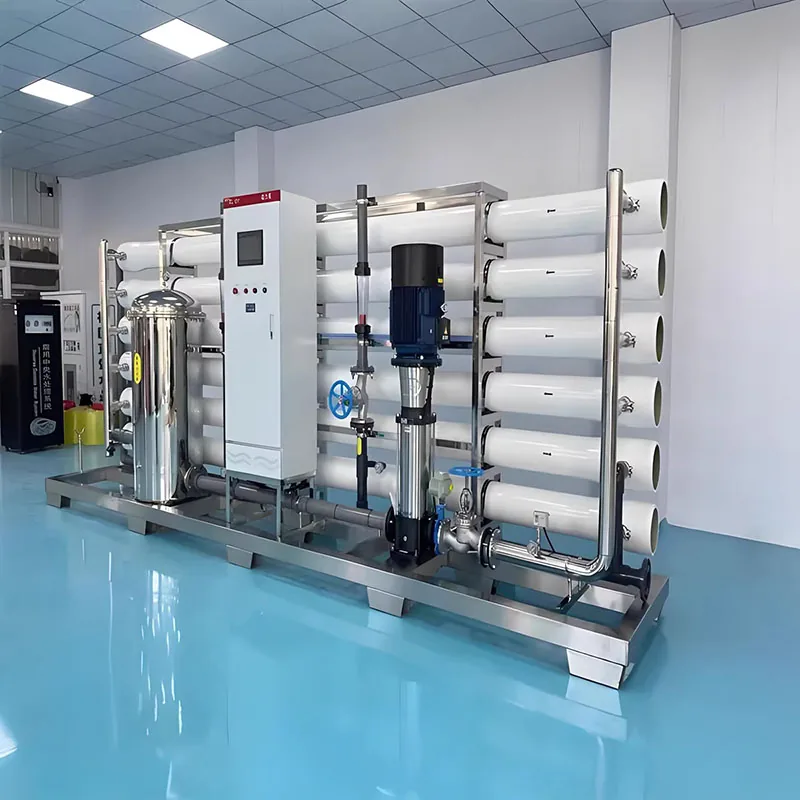
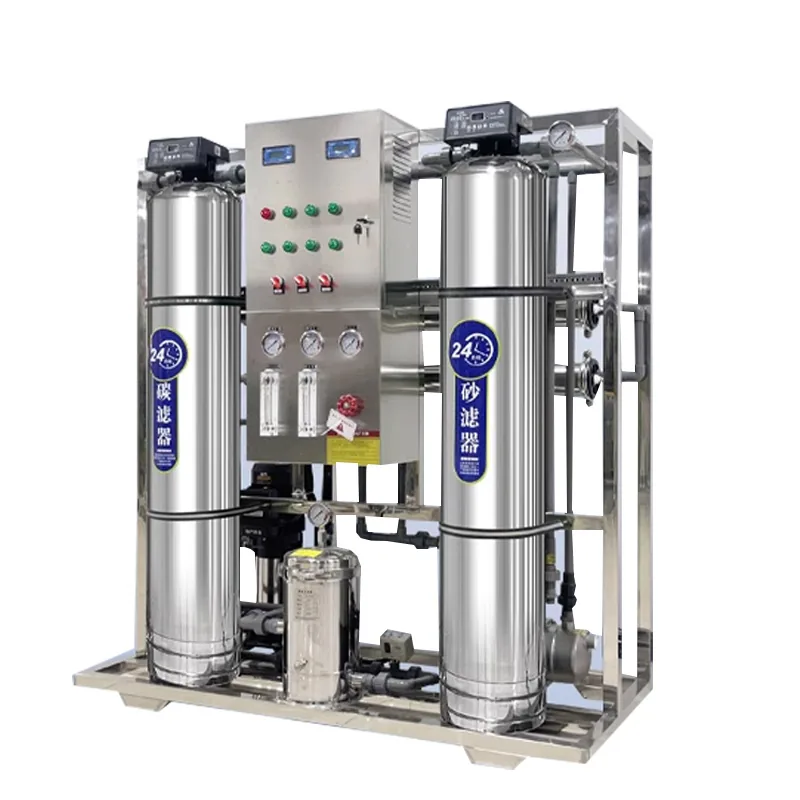
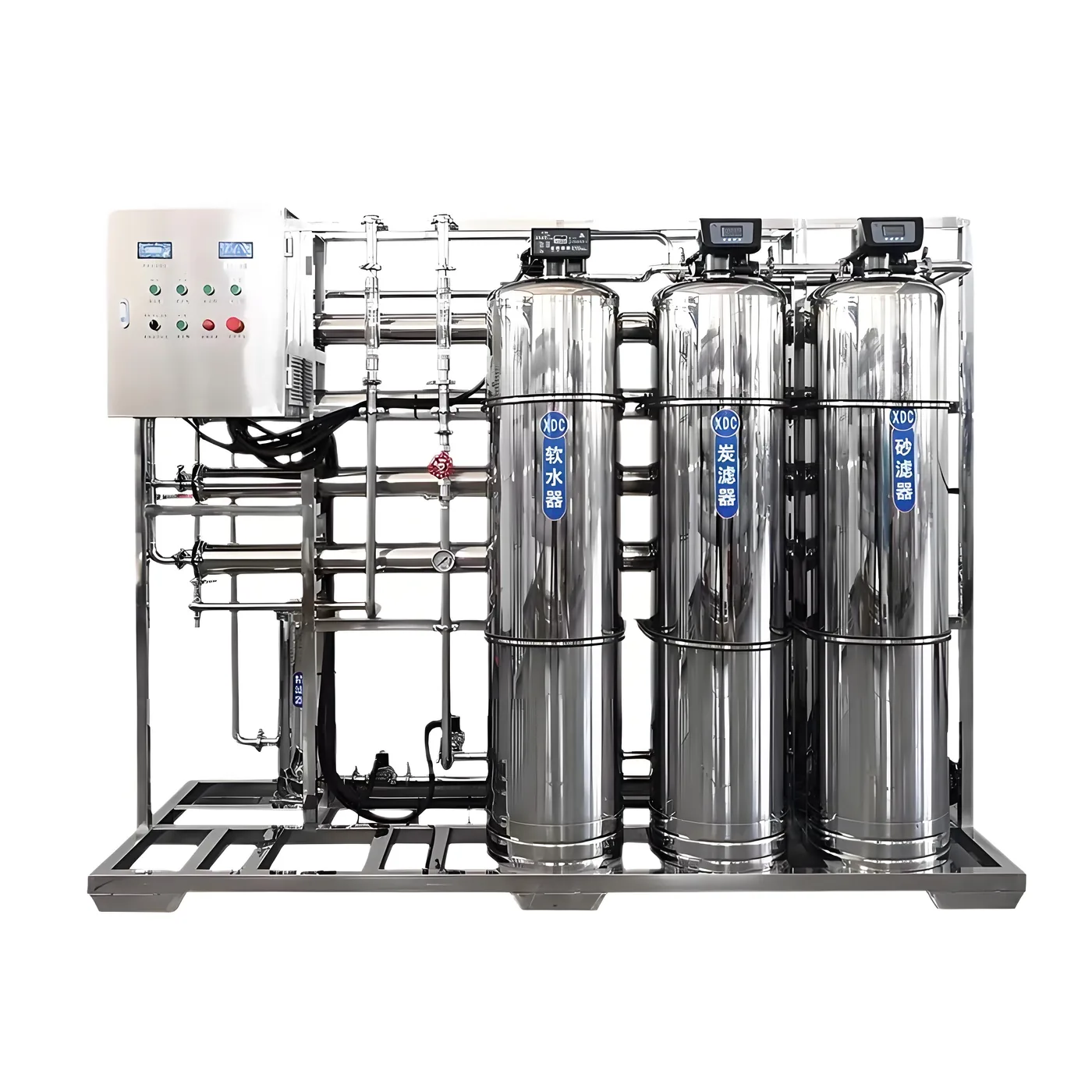
Reference configurations shown. Final process, capacity, components and layout are defined by the water analysis and approved technical proposal.
Frequently Asked Questions
What determines RO recovery and product-water quality?
Feed-water chemistry, temperature, pressure, membrane selection, pretreatment and the required product-water target all affect the final design. These values are specified for each project.
Can the RO system be supplied in a container or vehicle?
Yes. Hovrain develops mobile, vehicle-mounted and containerized layouts when transport, site access or installation speed make an integrated package appropriate.
Request a Technical Proposal
Send a recent water analysis, required flow rate, target water quality, operating schedule and installation details. We will review the conditions before defining a system configuration.