
Hovrain designs wastewater treatment systems for domestic sewage, industrial effluent and water reuse projects. The process route and equipment configuration follow the wastewater analysis, discharge or reuse target, operating pattern and site conditions.
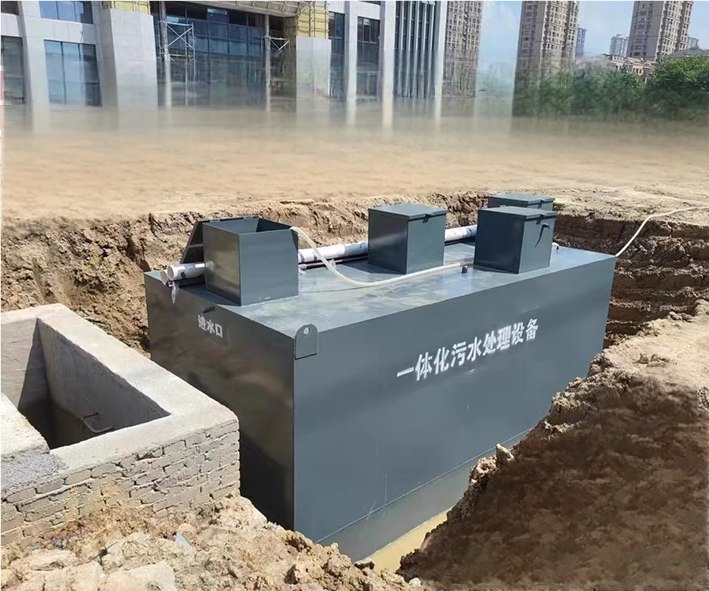
Integrated HR-MBR Systems
The existing HR-MBR integrated wastewater treatment series covers 5–500 t/d in Hovrain’s product materials. Final system sizing and configuration depend on wastewater characteristics, discharge or reuse targets and project conditions.
Project-specific options can include biological treatment, PVDF MBR membranes, membrane backwash and chemical cleaning, aeration, UV disinfection, PLC controls, remote monitoring and online water-quality instruments. Availability and configuration vary by project; these are not identical standard features on every model.
Domestic Sewage and Community Projects
Our engineering materials cover domestic sewage treatment for community, rural and highway service-area applications. A 1,500 t/d domestic sewage design uses three 500 t/d systems in parallel. This is a project design, not a single HR-MBR-1500 product model.
Industrial Wastewater
Industrial effluent requires a process matched to its contaminants and variability. Hovrain’s project materials include a 50 t/d seafood-processing wastewater treatment design with screening, equalization, A/O biological treatment, coagulation and sedimentation, and dissolved-air flotation. Other project materials address aquaculture-related wastewater.
Wastewater Reuse and Advanced Treatment
Where reuse or further polishing is required, MBR effluent can be assessed for downstream treatment. Advanced membrane processes are considered as project-specific solutions; suitability depends on the incoming water and required outcome.
Automation and Monitoring
Depending on scope, a system may include automatic controls, remote monitoring and instruments for parameters such as pH, dissolved oxygen, COD and ammonia nitrogen. The final instrument list is defined in the project specification.
Typical Treatment Technologies
- Screening and equalization
- Anoxic / aerobic biological treatment
- MBR membrane separation
- Coagulation, sedimentation and flotation where required
- Disinfection and polishing
- Sludge collection and handling
- Advanced membrane treatment for suitable reuse duties
- Project-specific automation and monitoring
Selected Engineering References
- 1,500 t/d domestic wastewater design: three 500 t/d systems in parallel
- Highway wastewater: service-area and toll-station project materials across multiple capacities
- 50 t/d seafood-processing wastewater: project-specific biological and physicochemical process design
Wastewater Treatment Equipment Range
Representative biological, MBR, flotation and containerized configurations from the available Hovrain product materials.
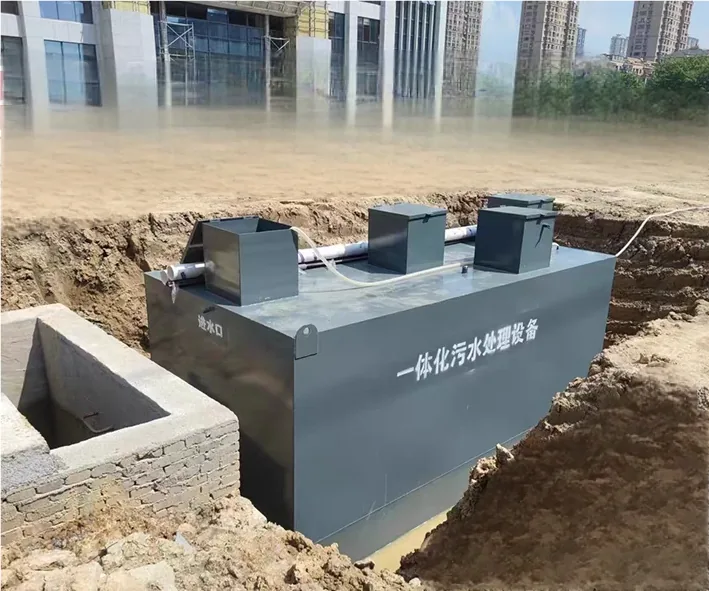
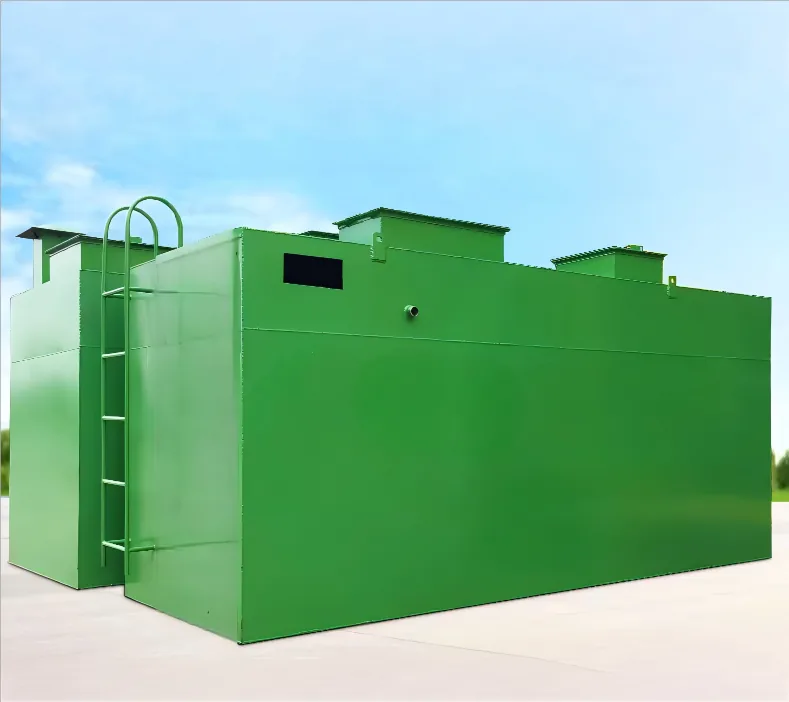
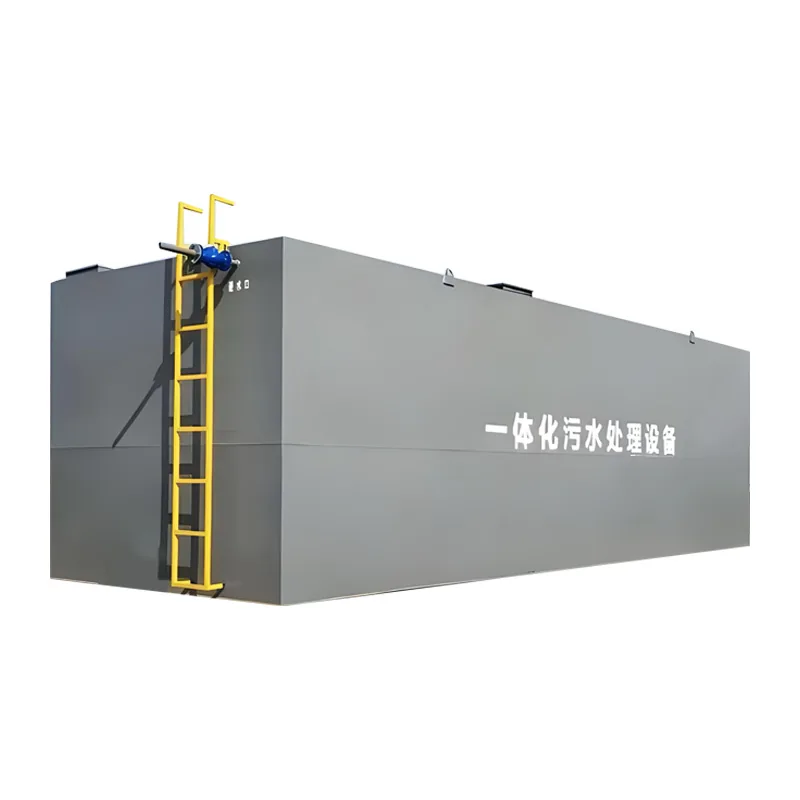
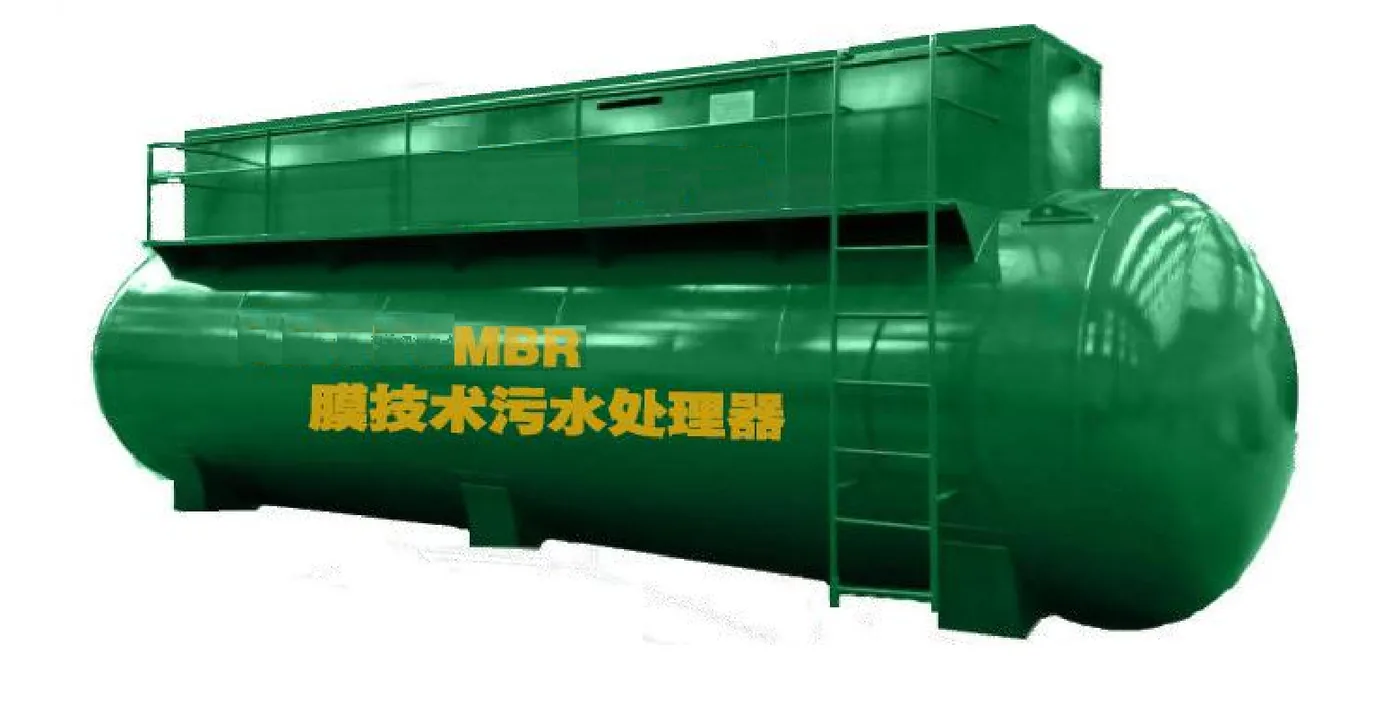
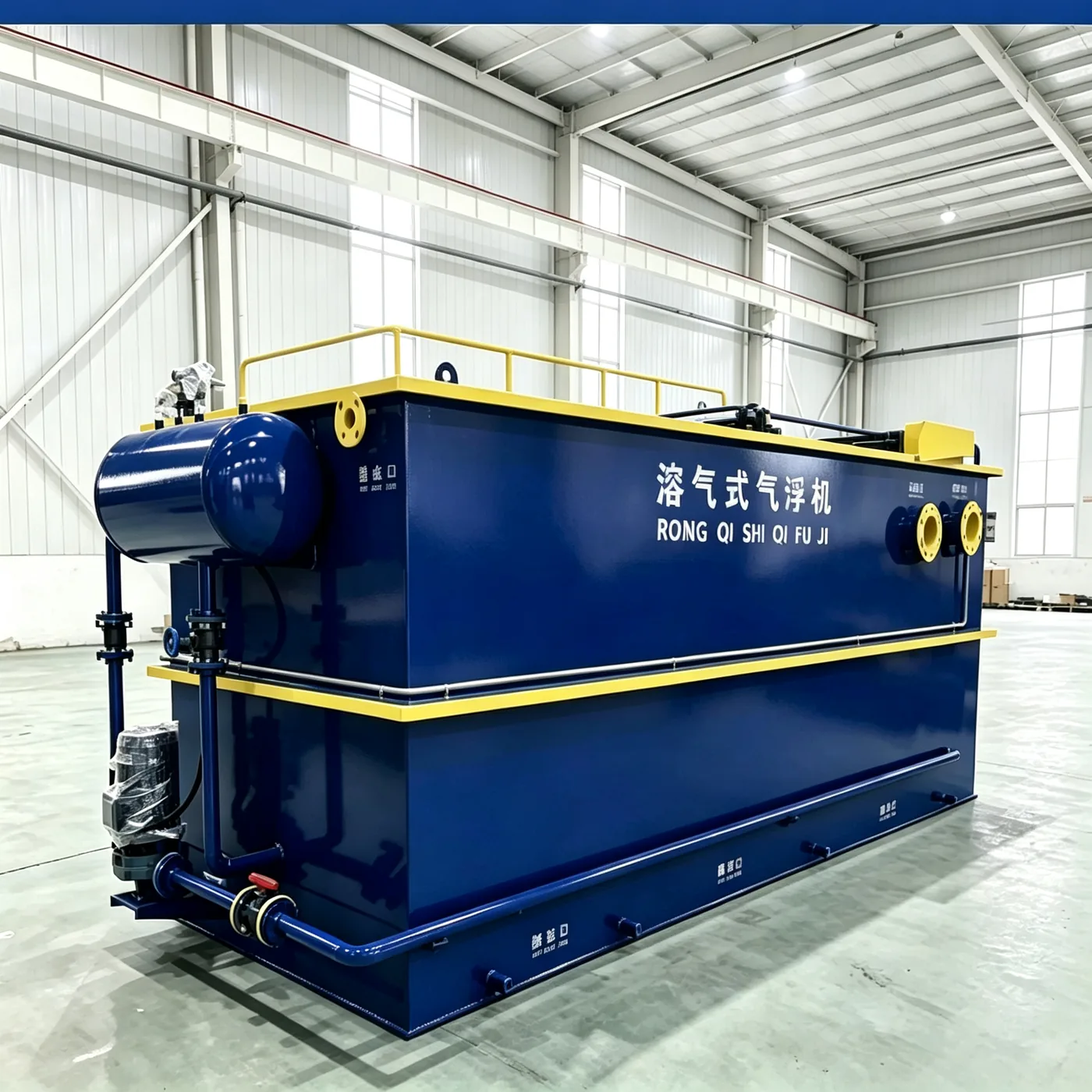
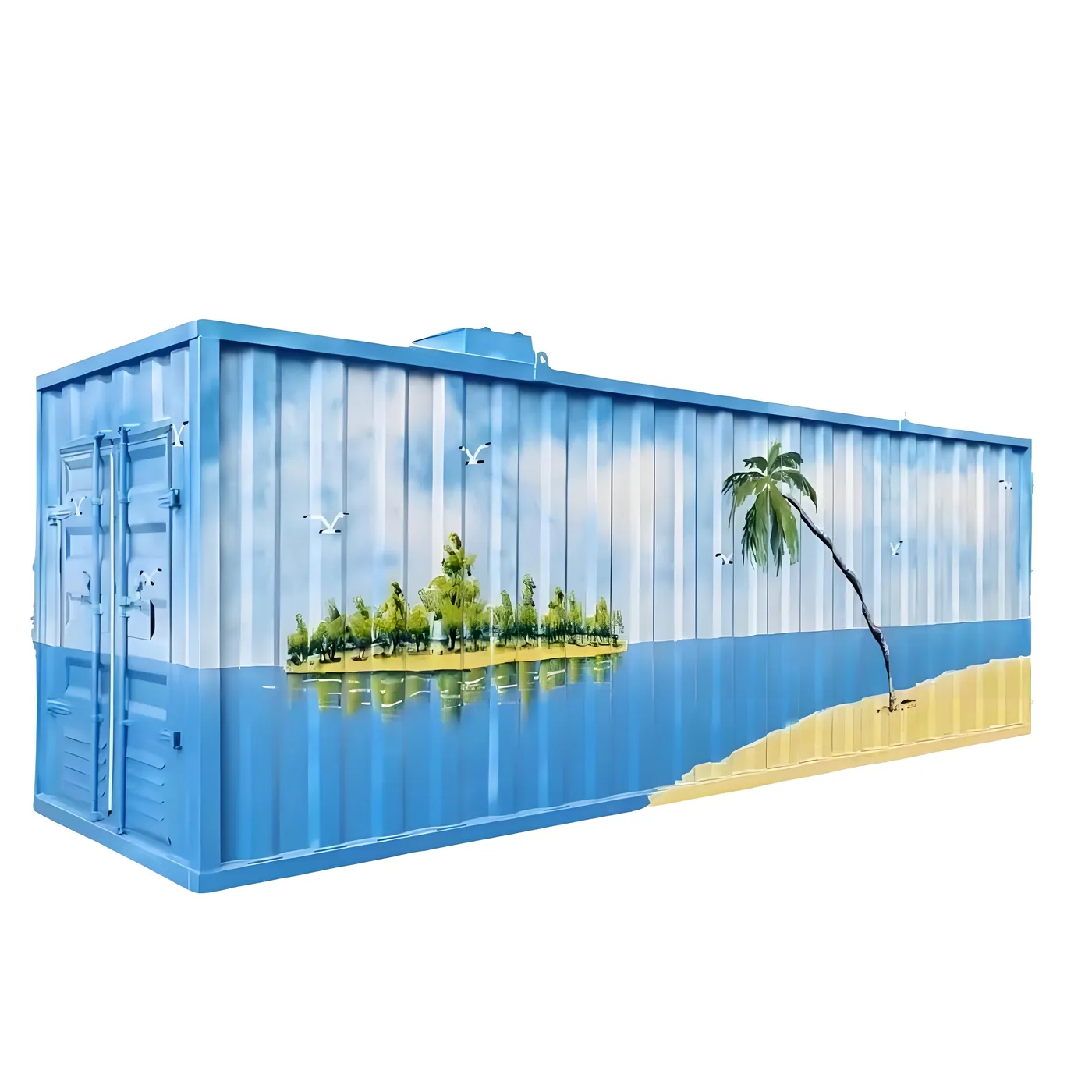
Reference configurations shown. Final process, capacity, components and layout are defined by the water analysis and approved technical proposal.
Frequently Asked Questions
Is HR-MBR available as one fixed configuration?
No. The existing series covers 5–500 t/d, while membranes, disinfection, controls, monitoring and other equipment are selected according to the wastewater and project scope.
Can Hovrain design systems above 500 t/d?
Yes. The documented 1,500 t/d design uses three 500 t/d systems in parallel. Engineering capacity and the standard HR-MBR series should be considered separately.
What information is needed before selecting a process?
A representative wastewater analysis, flow profile, discharge or reuse target, operating schedule, utilities and site conditions are required for a useful proposal.
Information Needed for a Proposal
- Wastewater source and representative analysis
- Daily flow, peak flow and operating schedule
- Discharge standard or intended reuse
- Available land, utilities and installation constraints
- Sludge handling and operating requirements